
Pharmacy Temperature Monitoring Systems
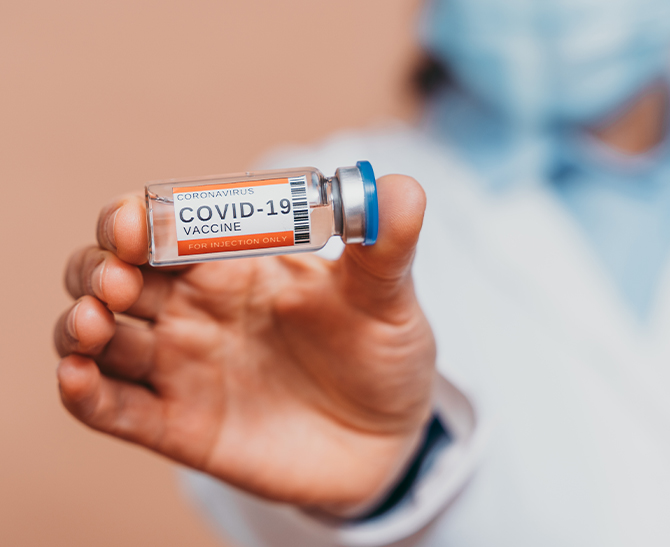
A successful drug or vaccine can take decades, and not uncommonly more than a billion dollars, to develop. With all of the cost associated with drug and vaccine development, it's imperative that they be stored properly. Temperature monitoring is the best way to ensure the safety of these life-saving drugs and vaccines.
How E-Control Systems Works for Monitoring Temperature & Humidity in Pharmacies
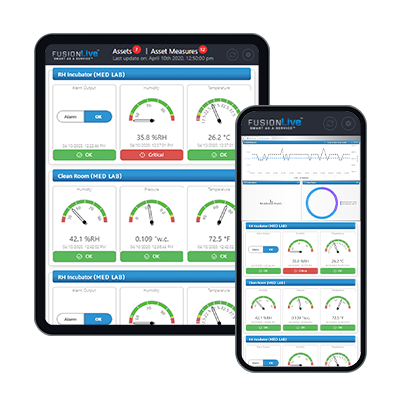
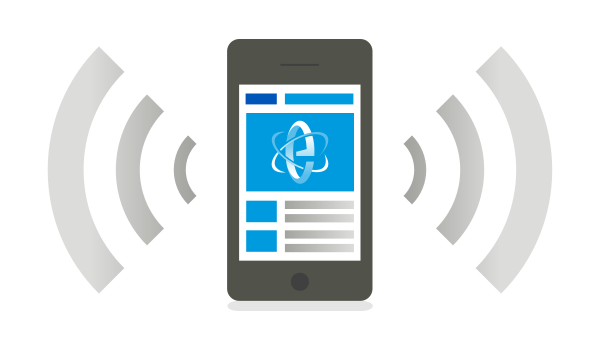
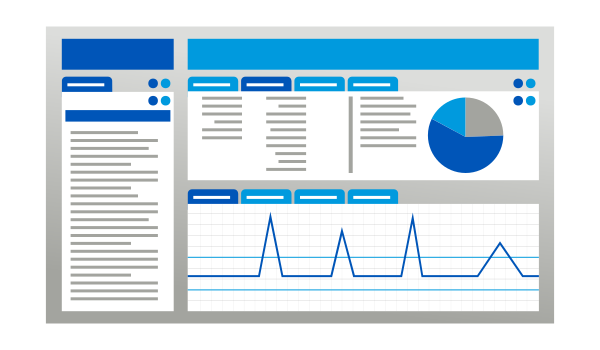
E-Control Systems offers comprehensive pharmacy temperature monitoring solutions designed for managing sensitive pharmaceutical environments. Our temperature monitoring system uses advanced sensors to continuously monitor critical parameters such as temperature and humidity in facilities and storage areas. Real time data is collected, analyzed, and displayed on a centralized dashboard, providing instant visibility and remote access to the conditions of your inventory from any device.
Our solutions provide proactive management through instant alerts and notifications. When any deviation occurs from the specified range, designated personnel are promptly alerted, allowing them to take immediate action to prevent potential damage to pharmaceutical products. The customizable alert mechanisms ensure quick responses and minimize risks associated with temperature fluctuations, humidity variations, or compromised air quality. Additionally, our solution supports continuous compliance with regulatory requirements by offering detailed documentation, audit logs, and reports, helping companies maintain quality standards and meet strict regulatory guidelines including 21 CFR Part 11, CDC, and VFC requirements.
E-Control Systems Features for Pharmaceuticals
What makes E-Control Systems stand out? Our sensors and intelligates can monitor any aspect of your Pharmaceuticals business 24/7.

Why Biopharma Leaders Choose E-Control Systems
NIST Traceable Accuracy: Every sensor is calibrated to meet strict pharmaceutical temperature control standards, providing the precision required for high stakes storage.
21 CFR Part 11 Compliance: Our FusionLive™ software provides the electronic records and digital signatures required by the FDA, including full audit trails and tamper proof data logging.
Internal Data Redundancy: Sensors record locally during power or Wi-Fi outages and automatically sync once restored, ensuring 100% complete, audit ready compliance logs.
Validated Accuracy via Thermal Buffering: Our sensors are compatible with glycol filled bottles and solid thermal buffers, ensuring your data reflects the actual temperature of your vaccines and biologics.
Our Customers Include:




Pharmaceutical Industry Temperature & Humidity Control Systems
Specialized Solutions Across the Pharmaceutical Supply Chain
1. Retail & Hospital Pharmacies (CDC/VFC Compliance) Protect your pharmacy refrigerator temperature monitoring workflow with a system built for clinical rigors.
-
VFC Ready: Meets all CDC requirements with out-of-range alarms and local min/max displays.
-
Instant Alerts: Real-time notifications via SMS, email, or phone prevent temperature excursions before inventory is lost.
2. Biopharma Manufacturing & Research Labs Monitor ultra-low temperature (ULT) freezers and cryogenic storage with medical-grade precision.
-
Validation & Mapping: Simplifies pharmacy temperature mapping to ensure uniform conditions across the entire chamber.
-
Specialized Probes: High-precision sensors designed for extreme environments from -80°C to sterilization heat.
3. Pharmaceutical Warehousing & Repositories Scale your monitoring across massive distribution centers with long-range industrial wireless technology.
-
Heavy Insulation Penetration: Designed to transmit through lead-lined walls and thick medical-grade insulation.
-
Unified Visibility: Manage a single local repository or a global distribution network from one 21 CFR Part 11 compliant dashboard.
Continuous Temperatures for Drugs and Vaccines
Proper storage temperatures are requirements to ensure vaccine effectiveness. Most products must be maintained within specific ranges, typically:
-
Refrigerated Storage: 2°C to 8°C (36°F to 46°F)
-
Controlled Room Temperature: 20°C to 25°C (68°F to 77°F)
-
Ultra Low Storage: Monitoring for specialized biologics and ULT freezers.
The Critical Importance of Freeze Protection
While high heat is a known threat, it is of the utmost importance that drugs and vaccines be protected from freezing temperatures.
-
Efficacy Loss: Even a brief period below freezing can cause certain vaccines to lose total efficiency.
-
Safe Zone Maintenance: Drugs and vaccines should always be maintained within their temperature range above freezing while remaining under their maximum temperature limits.
Maintaining Temperature Across All Operations
Drug makers, transporters, and sellers often measure storage temperatures differently. While you cannot control the systems others use, it is essential to ensure the maximum quality of your own inventory through up to date technology.
E-Control Systems provides the automated data logging and remote monitoring needed to protect your products from receiving to administration. Your inventory is too valuable not to ensure that temperatures are maintained at all times.
Pharma Temperature Monitoring FAQ's
What is a temperature monitoring system for a pharmacy?
Pharmacy temperature monitoring systems are the optimal way to ensure the safety of life-saving pharmaceutical products and medications. It's vital that medications have proper storage to maintain their efficacy for the protection of patients. A pharma temperature monitoring system typically includes:
- Sensors: Placed in storage areas like refrigerators, freezers, and ambient storage, these sensors continuously measure temperature.
- Alarms and Alerts: Alarms and alerts notify staff if temperatures deviate from the set range, allowing immediate action to prevent spoilage.
- Data Logging and Reporting: These record temperature data over time, providing a historical record for compliance and quality control purposes.
- Remote Monitoring: Remote monitoring allows pharmacy staff to check temperatures from a distance, through a computer or smartphone app.
- Calibration and Compliance: These ensure accuracy and comply with regulatory requirements, like the FDA or the CDC. Temperature monitoring systems are essential in pharmacies, where many products, like vaccines and certain medications, require strict temperature control.
E-Control Systems' IntelliSense™ is part of our comprehensive wireless monitoring solution, for environments where temperature, humidity, and other environmental factors must be strictly controlled and monitored, like in pharmacies and healthcare. Our sensors can monitor any aspect of your pharmacy or healthcare business, 24/7. Our IntelliGate™ acts as a gateway or hub in the E-Control Systems setup, serving as a bridge between wireless sensors and the network, providing a seamless flow of information.
What are the pharmaceutical temperature monitoring requirements?
Pharmaceutical temperature monitoring requirements vary depending on regulatory agencies and the specific types of pharmaceuticals but generally include:
- Temperature Range and Stability: Pharmaceutical products have specific temperature ranges for storage, often detailed in regulatory guidelines or by the manufacturer. For example, vaccines and certain biologics require refrigeration, typically between 35°F to 46°F.
- Continuous Monitoring and Logging: Constant monitoring of temperature with accurate and calibrated equipment is essential. This includes recording data at regular intervals to provide a historical record for quality assurance and regulatory compliance.
- Alarm Systems: Pharmacy temperature monitoring should be in place to alert staff of any deviations from the required temperature range, allowing for quick corrective action to prevent spoilage.
- Validation and Calibration of Equipment: Regular validation and calibration of monitoring equipment to ensure accuracy and reliability.
- Mapping and Validation of Storage Areas: Ensuring uniform temperature distribution throughout storage areas, which may involve temperature mapping and validation processes.
- Compliance with Regulations: Adhering to guidelines set by regulatory bodies like the U.S. Food and Drug Administration (FDA), the European Medicines Agency (EMA), or the World Health Organization (WHO). Compliance may include specific documentation and reporting procedures.
- Training and Procedures: Staff training in proper handling and storage procedures, including the operation of monitoring equipment, and the existence of Standard Operating Procedures (SOPs) for managing temperature excursions.
- Emergency Procedures and Backups: Plans for power failures or equipment malfunctions, including backup power sources and alternate storage solutions.
Temperature monitoring requirements are designed to maintain the integrity of pharmaceuticals from production through dispensing, ensuring they remain safe and effective.
What thermometers are used in the pharmaceutical industry?
Accurate, reliable thermometers are essential for temperature monitoring In the pharmaceutical industry, for the proper storage and handling of pharmaceutical products. Several types of thermometers are commonly used:
- Digital Thermometers: These provide precise temperature readings and are used for their ease of use, accuracy, and the ability to record and store data.
- Infrared (IR) Thermometers: IR thermometers are used for non-contact surface temperature readings. They are particularly useful in situations where it's not possible or safe to touch the object being measured.
- Data Loggers with Temperature Sensors: These devices record temperature over time and are ideal for monitoring storage areas or during transportation. They can provide a comprehensive record for quality control and regulatory compliance.
- Liquid-in-Glass Thermometers: Traditional thermometers that can be used in labs for specific tests. Their use is declining due to the risk of breakage and mercury exposure.
- Thermocouples: Thermocouples are used in industrial applications, and are suitable for a wide range of temperatures and can measure temperature at various points simultaneously.
- Bimetallic Thermometers: These contain a metal strip made from two different metals and are used in ovens or incubators.
- Chart Recorders and Thermographs: These temperature monitoring devices provide a continuous record of temperature readings over a period and are useful for monitoring storage environments.
- Calibrated and Certified Thermometers: For specific quality control processes, these thermometers are calibrated and certified against known standards and used to ensure accuracy.
The choice of thermometer depends on the specific requirements of the task, including the temperature range, accuracy needed, whether contact with the product is feasible, and regulatory compliance needs. In all cases, regular calibration and maintenance of these devices are essential to ensure ongoing accuracy and reliability.
What is a continuous temperature monitoring device for pharmacy?
A continuous temperature monitoring device for a pharmacy is a system specifically designed to monitor and record the temperature of storage areas where pharmaceutical products are kept. This device ensures that the products, especially those that are sensitive to temperature fluctuations like vaccines and certain medications, are stored in ideal conditions to maintain their efficacy and safety. Important features of these devices include:
- Continuous Monitoring: The device continuously measures and records temperature data at set intervals, 24/7.
- Alert Systems: It includes alert mechanisms, such as audible alarms or notifications via email or text, to inform staff of any temperature deviations beyond set thresholds.
- Data Logging and Reporting: The device logs temperature data over time, which is imperative for compliance with regulatory standards and quality control purposes.
- Remote Access and Connectivity: Many modern systems offer remote monitoring capabilities, allowing pharmacy staff to check temperatures from a computer or smartphone, often in real time.
- Battery Backup and Power Failure Alerts: To ensure continuous operation, these devices typically have a battery backup and can alert staff in the event of a power failure.
- Calibration and Compliance: The devices are calibrated for accuracy and are compliant with standards set by the FDA, WHO, or other relevant regulatory authorities.
- Integration with HVAC Systems: Some advanced systems can integrate with the pharmacy's HVAC system for automated climate control.
What is the ideal temperature for medications?
The ideal temperature for a pharmacy depends on the specific medications and products being stored; different products have different storage requirements. General guidelines for standard pharmacy storage conditions are as follows:
- Room Temperature Storage: Most medications should be stored at "controlled room temperature," which, according to the United States Pharmacopeia (USP), is typically between 20°C to 25°C (68°F to 77°F). This range accounts for momentary variations that might occur during normal handling.
- Refrigerated Storage: Some medications, including certain vaccines, insulin, and biologic products, require refrigeration. The standard range for refrigerated storage is between 35°F to 46°F.
- Freezer Storage: A few products might need to be stored in a freezer. The typical temperature range for freezer storage in a pharmacy is -13°F to 14°F.
Refer to the specific storage instructions provided by the medication's manufacturer, because some products have unique requirements. Pharmacies should use calibrated thermometers and continuous temperature monitoring systems to ensure that these conditions are consistently maintained.
Pharmacy Refrigerator Temperature Monitoring
How do I check the temperature of my pharmacy refrigerator?
- Use a Calibrated Thermometer: Opt for a thermometer specifically designed for refrigerators.
- Correct Placement: Position the thermometer in the refrigerator's center, away from cooling elements, the door, and walls.
- Allow Stabilization: Let the thermometer sit inside for 15-30 minutes to adjust to the internal temperature.
- Regular Checks: Perform temperature checks at least daily and maintain a log for compliance and quality control.
- Respond to Deviations: If temperatures fall outside the recommended range, take immediate action and assess medication safety.
- Maintain Regularly: Keep the refrigerator well-maintained and serviced.
- Prepare for Emergencies: Have a plan for temperature deviations or refrigerator failures, including backup storage solutions.
How often should you check the pharmacy's refrigerator and freezer temperature?
Pharmacy refrigerator and freezer temperatures should be checked and documented at least daily to ensure safe storage. Regularly calibrate and maintain pharmacy refrigerator temperature monitoring equipment, have continuous monitoring systems with deviation alarms, and establish procedures for responding to temperature excursions. Staff training in proper temperature management practices is vital, and in hospitals, more frequent checks or advanced digital monitoring may be required to meet regulatory standards.
What are acceptable temperatures for the drug fridge at a pharmacy?
In a pharmacy, the acceptable temperature range for a drug refrigerator is between 35°F to 46°F. Acceptable ranges ensure the efficacy and safety of temperature-sensitive medications, including vaccines and biologics Any deviations from the acceptable ranges must be addressed promptly to prevent compromising the stored medications.
In addition to temperatures, high humidity levels can also have negative effects on medications and pharmaceuticals. Our E-Control System wireless humidity monitoring system uses sensors to continuously monitor the humidity in pharmacies. It enables companies to efficiently manage and control humidity levels while maintaining pharmaceutical product quality and adhering to regulatory standards.
What key features make biopharma freezer monitoring effective?
Effective biopharma freezer monitoring depends on several features that allow problems to be caught early and staff to be notified of potential risks so corrective action can be taken quickly. Having remote access gives users peace of mind because they can check biopharma freezer conditions from anywhere, from their mobile device or a computer dashboard. Precise data logging ensures industry regulations are properly followed so staff can respond before any spoilage occurs.
How is pharmacy freezer monitoring technology different from other systems?
Pharmacy freezer monitoring technology is designed to meet tight regulatory and operational demands for medical storage. Unlike general-purpose freezer monitors, these systems create detailed audit trails, respond proactively to temperature deviations, and send real-time notifications for effective pharmacy workflow and drug stability. Pharmacists can prove storage integrity to inspectors, something other commercial or residential freezer systems aren’t equipped to do.
What alert options are available for pharmaceutical temperatures?
Pharmaceutical refrigerators rely on customizable alert systems to ensure temperature deviations are caught. Their flexibility helps pharmacists respond quickly to prevent expensive product loss. Real-time alerts include built-in logging and reporting features that track excursions, humidity variations, and compromised air quality. Minor fluctuations might create a dashboard notification, while a critical temperature drop could result in an alert to appropriate emergency contacts. System features create a strong safety net for pharmacy refrigerator temperature monitoring to protect valuable medications and vaccines.
Does E-Control offer remote drug monitoring solutions for pharma?
Pharmacies and healthcare facilities rely on remote drug freezer monitoring solutions to keep temperature-sensitive drugs safe. The efficient E-Control System tracks temperature and humidity levels 24/7, while supporting remote access, enabling employees to receive alerts offsite. Using its automated logs and customizable settings, it allows them to respond to deviations quickly and is ideal for clinics, pharmacies, research labs, and hospitals. Multiple units can be overseen from any device, meeting industry standards and protecting sensitive medications.
Can this system monitor ultra‑low temperatures like −80 °C freezers used in biopharma?
E-Control’s platform is scalable and adaptable for both biopharma small labs and enterprise-level operations. Whether it's monitoring a single −80 °C freezer or an entire network of cold storage units, it provides continuous oversight without needing manual checks. Labs and pharmaceutical facilities have precise control over sensitive biological materials even when deep-freeze conditions exist. The E-Control Systems IntelliSensor technology acts as a digital conduit even in extreme cold environments, linking wireless monitoring devices to the central system, while streamlining real-time information and using secure cloud-based storage.
What makes E‑Control Systems’ solution unique for pharmacy environments?
The path to creating a successful drug or vaccine includes years of research and a long financial commitment. After investing billions in development, safeguarding the final product is critical. Accurate temperature monitoring ensures that these vital treatments remain safe, stable, and ready to serve patients who need them most. E-Control Systems combines advanced wireless sensors with real-time data analytics, enabling pharmacies to ensure they have drug refrigeration monitoring that helps reduce regulatory violations and product loss.
Protect valuable pharmaceuticals stored in refrigerators and freezers by:
- Maintaining Efficacy: Ensuring medications remain effective for patient treatment.
- Safety Assurance: Preventing drug degradation that could lead to health risks.
- Regulatory Compliance: Meeting strict storage guidelines set by health authorities.
- Financial Protection: Avoiding the costly loss of expensive pharmaceuticals.
- Reputation Preservation: Maintaining trust and credibility in healthcare services.
- Public Health Impact: Ensuring the broader effectiveness of healthcare treatments, especially for vaccines and critical drugs.
E-Control Systems’ pharmaceutical temperature monitoring system distinguishes itself in the pharmaceutical and medical refrigeration market. Ensure the maximum quality of medications, vaccines, and pharmaceuticals using advanced technology in temperature monitoring systems from E-Control Systems.


Healthcare
Popular Pharmacy Blog Posts